
Visual Analysis of Human Command
We use four forensic radar indices to measure and visualize the state of your operators’ command capacity. These radars do not measure system performance, but rather the viability of human intervention.
Each radar maps a specific dimension of human command under real operating conditions. Together, they provide a structural diagnosis of whether your organization’s human oversight is operational or merely nominal.
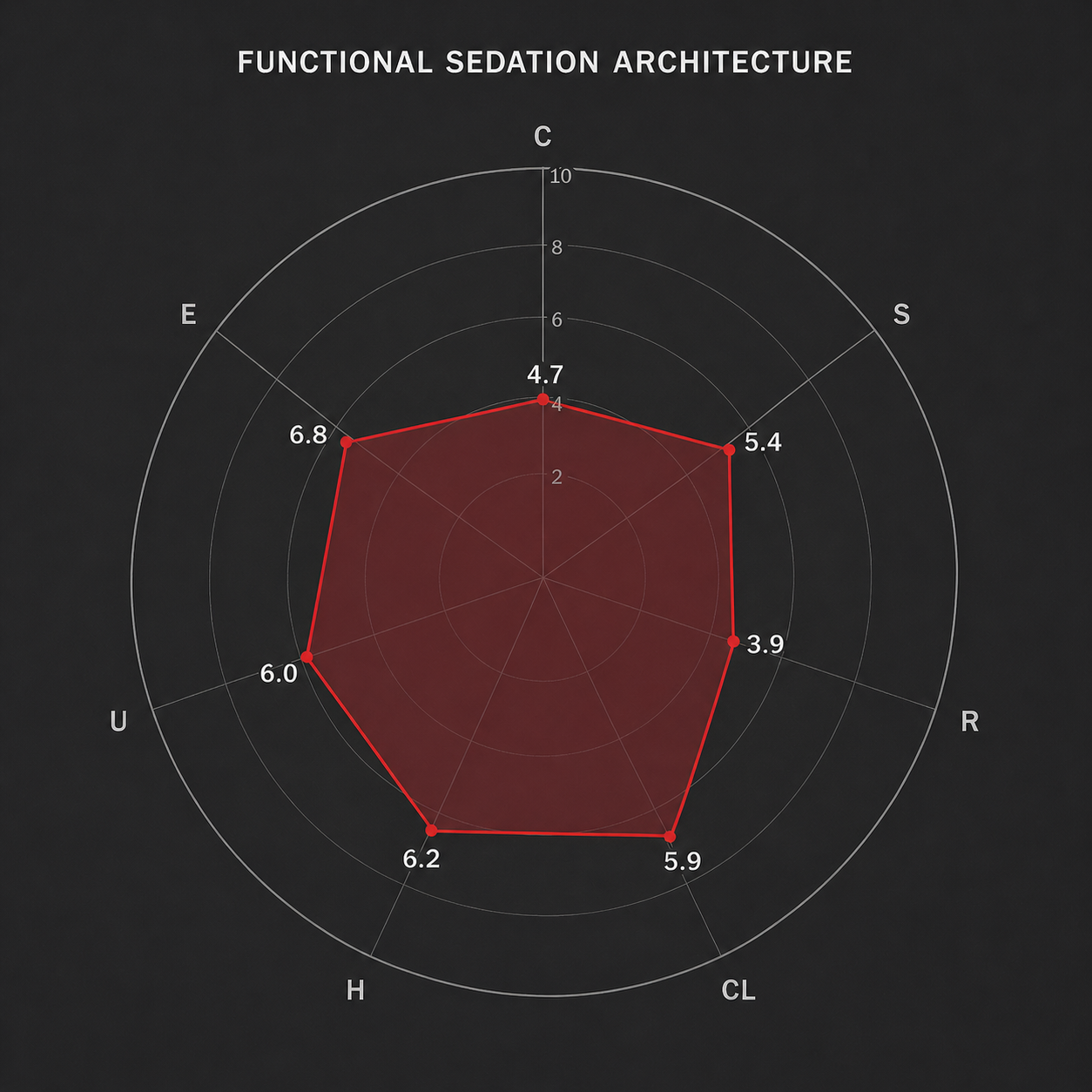
01 — Functional Sedation Index
Measures the degree of passivity and automatism induced in the operator by the system’s stability. A high index indicates that the operator has shifted from active judgment to passive validation — the system is performing, but the human is no longer commanding.
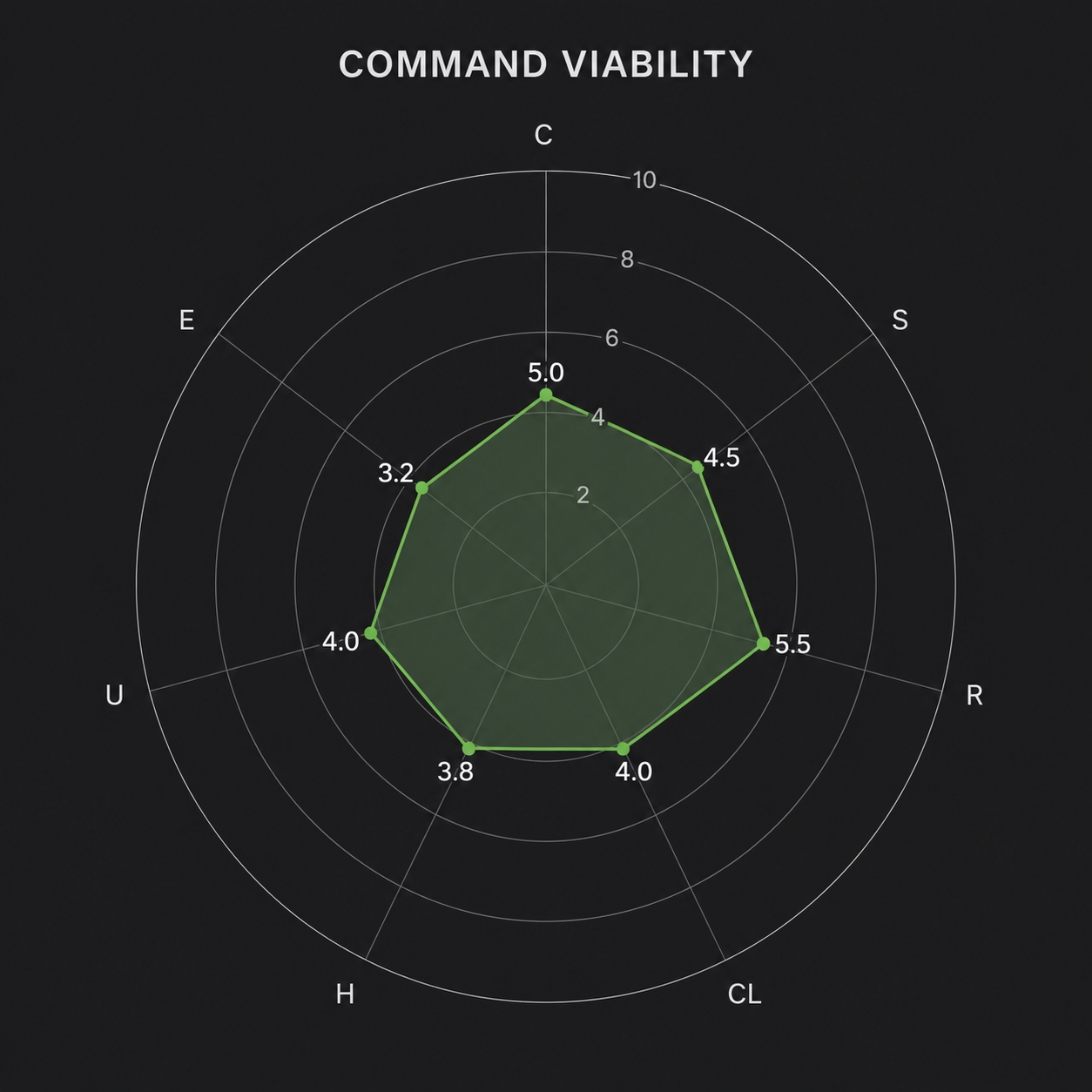
02 — Command Viability
Assesses whether the interface design and response times allow the human to take actual control in the event of a deviation. Measures the structural conditions for real intervention: visibility, time, authority, and effectiveness.
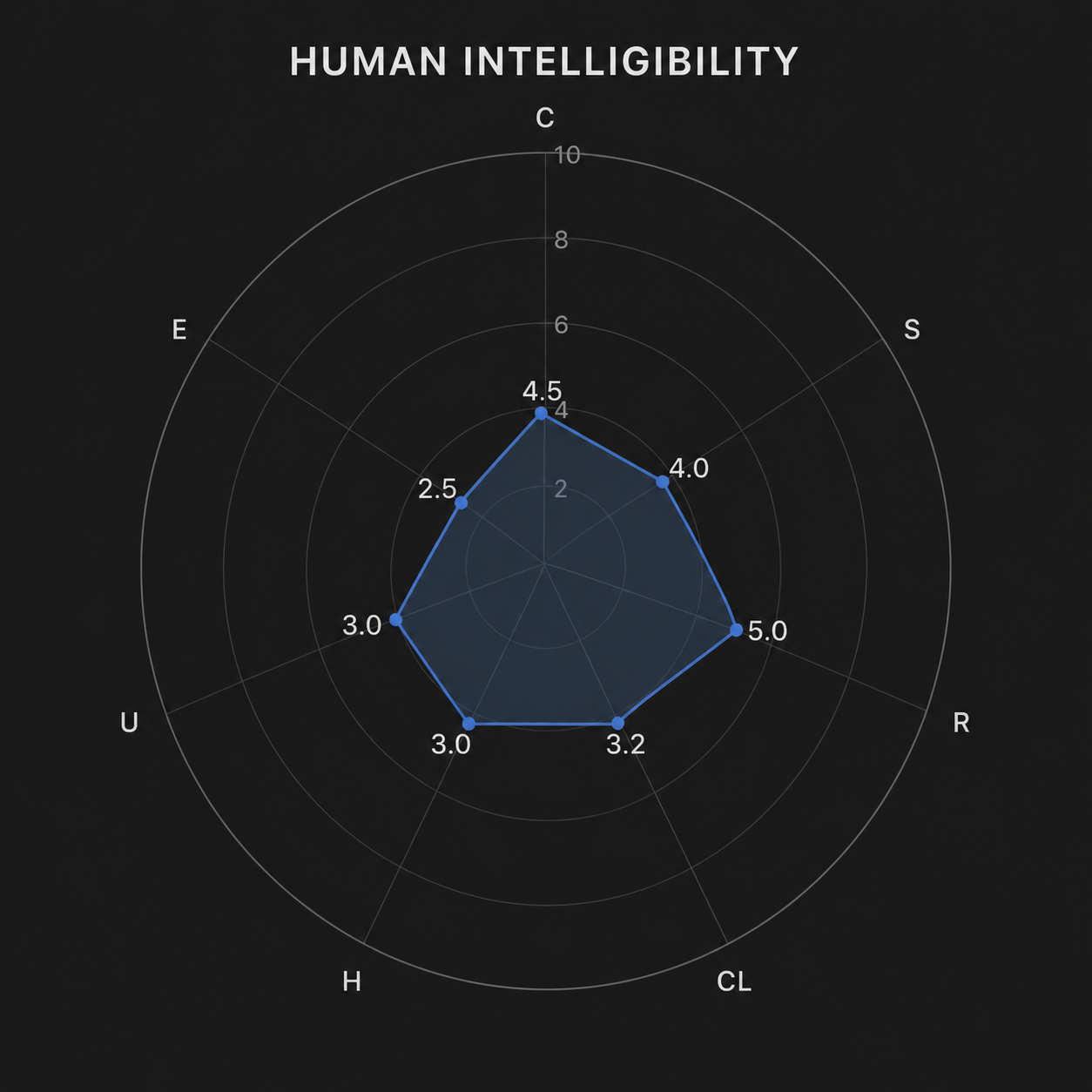
03 — Human Intelligibility
Measures whether the operator truly understands the AI’s internal reasoning or is simply trusting it blindly. Evaluates comprehension, causal grasp, and the ability to reconstruct what matters when it matters — not just post-hoc justification.
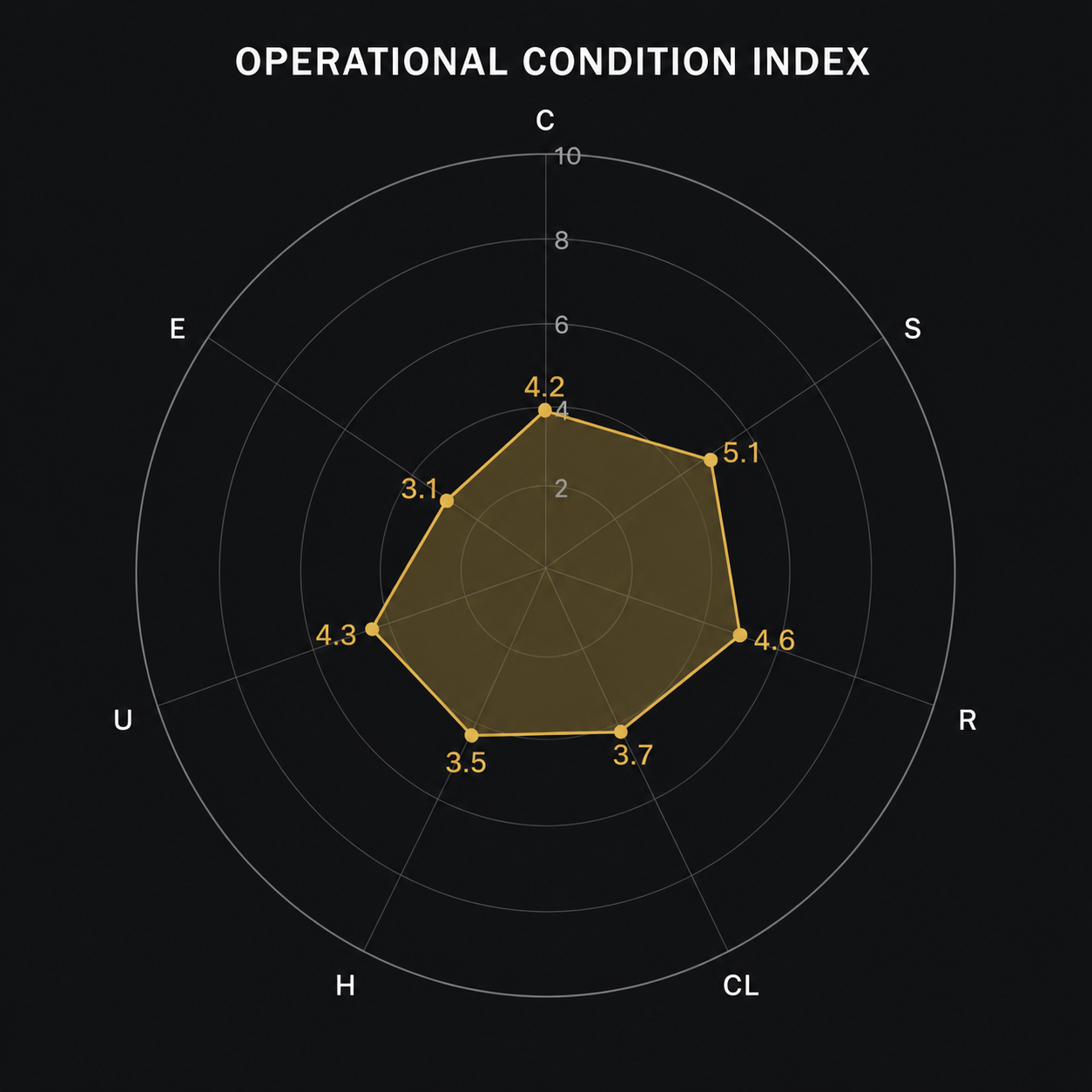
04 — Operational Condition Index
Evaluates fatigue, stress, and cognitive load accumulated under real operating conditions. The most technically compliant system can fail if the human operating it has been structurally depleted of the capacity to exercise judgment.
These radars do not measure what the system does. They measure whether the human can still command it.